A Step-by-Step Guide for Stress-Free Travel
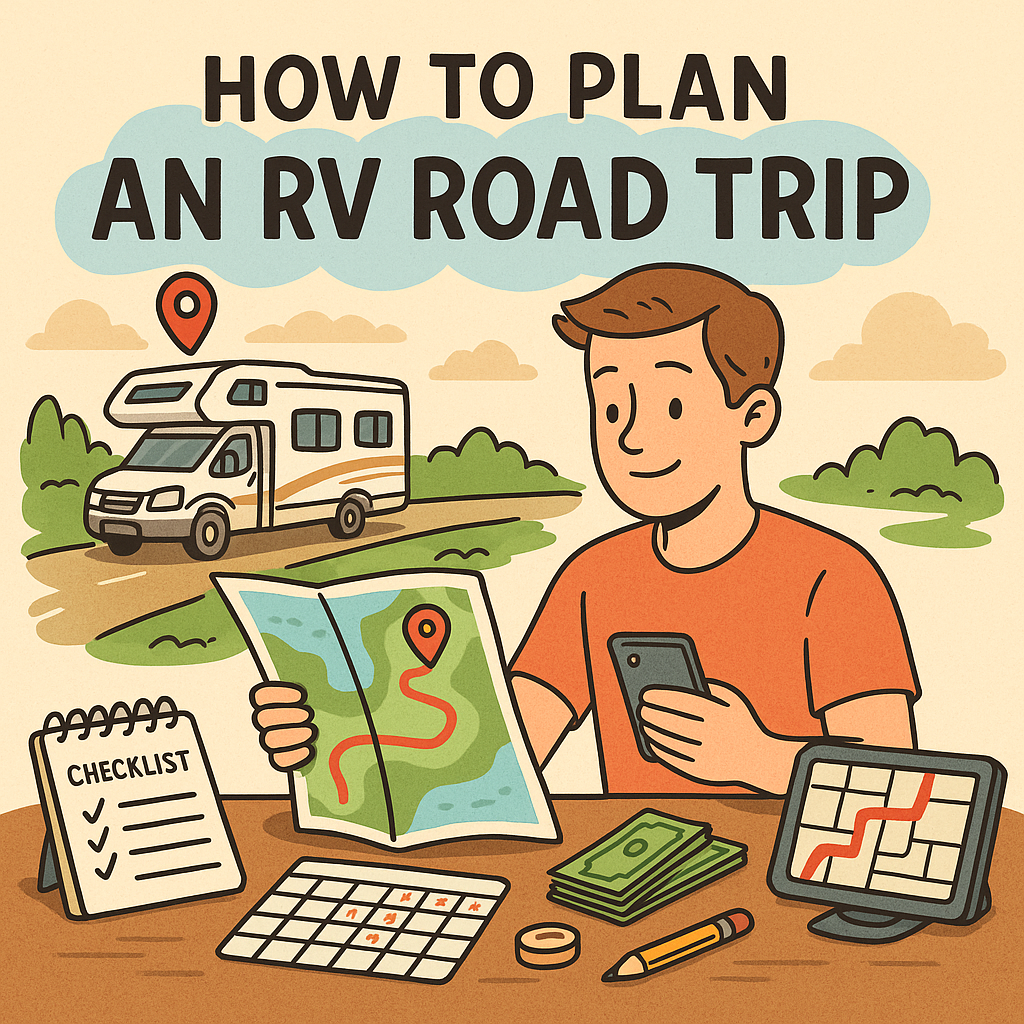
Hitting the road in an RV is one of the most exciting ways to travel. You get the freedom of the open highway, the comfort of your own space, and the flexibility to explore on your own terms. But a great RV trip doesn’t just happen — it takes the right planning. This step-by-step guide will help you map out your adventure, stay safe, and make the most of every mile.
Choose Your Route and Travel Style
Start by deciding what kind of trip you want:
Scenic national parks?
Big cities and attractions?
Quiet campgrounds and small towns?
From there, map out your main route using RV-friendly trip planners or GPS systems. Unlike regular cars, RVs have size and weight limits to consider. Low bridges, tight turns, and restricted roads can become big problems fast.
Pro Tip: Use RV-safe navigation tools to avoid hazards and find fuel stops with enough space to pull in and out comfortably.
Plan Your Campground Stops in Advance
While spontaneity is part of the fun, campgrounds — especially popular ones — often book up weeks or months ahead. Look for:
Pull-through sites for easier parking
Hookups for power, water, and sewer
Pet-friendly or family-friendly options
Length and height accommodations
Make reservations early so you’re not scrambling at night looking for a spot.
Create a Daily Driving Plan
Driving an RV is more tiring than driving a car, so shorter drive times are best. A good rule of thumb:
No more than 6 hours of driving per day
Arrive before dark to set up safely
Take breaks every 2–3 hours
Remember, you’re on a trip — not a race.
Prepare a Packing Checklist
Instead of tossing in everything at the last minute, make a list of essentials, such as:
Bedding and kitchen supplies
Power and water gear
Outdoor chairs and tables
Tool kit and emergency gear
This helps prevent forgetting important items — and cuts down on clutter.
Budget for Fuel, Food, and Fun
RVs burn more fuel, and campgrounds vary widely in price. Build a realistic budget that covers:
Gas or diesel
Campground fees
Groceries and dining
Activities and park entry passes
Having a budget keeps surprises to a minimum and helps you enjoy the trip stress-free.
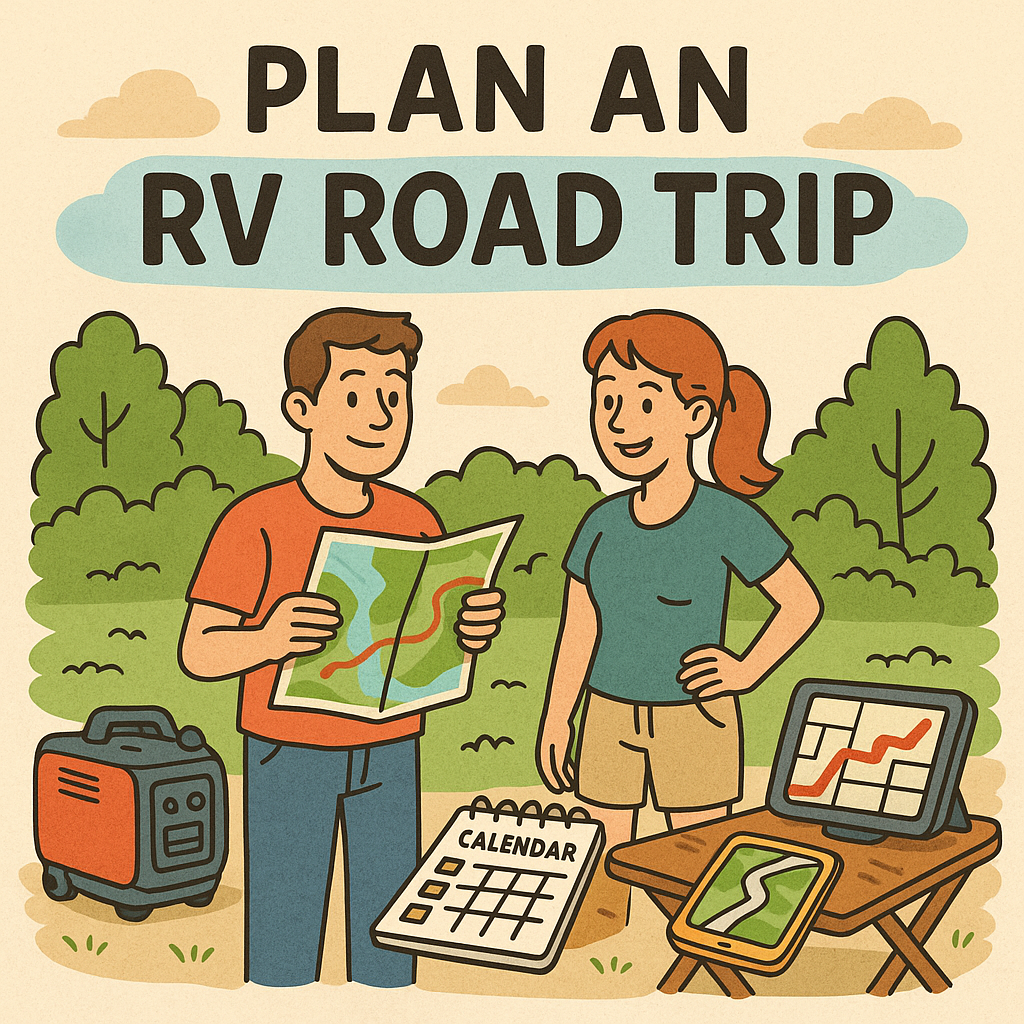
Do a Safety and Maintenance Check
Before hitting the road, inspect:
Tire pressure
Fluid levels
Lights and signals
Brakes
Generator and batteries
Carrying a basic roadside kit and tool set can save the day if something goes wrong along the way.
Final Thoughts
Planning your RV road trip doesn’t have to be overwhelming. With the right route, reservations, packing list, and safety checks, you’ll be ready for a smooth adventure. A little preparation goes a long way — and once you’re rolling, you can relax, explore, and enjoy the journey.
View More
Learn More About RVs
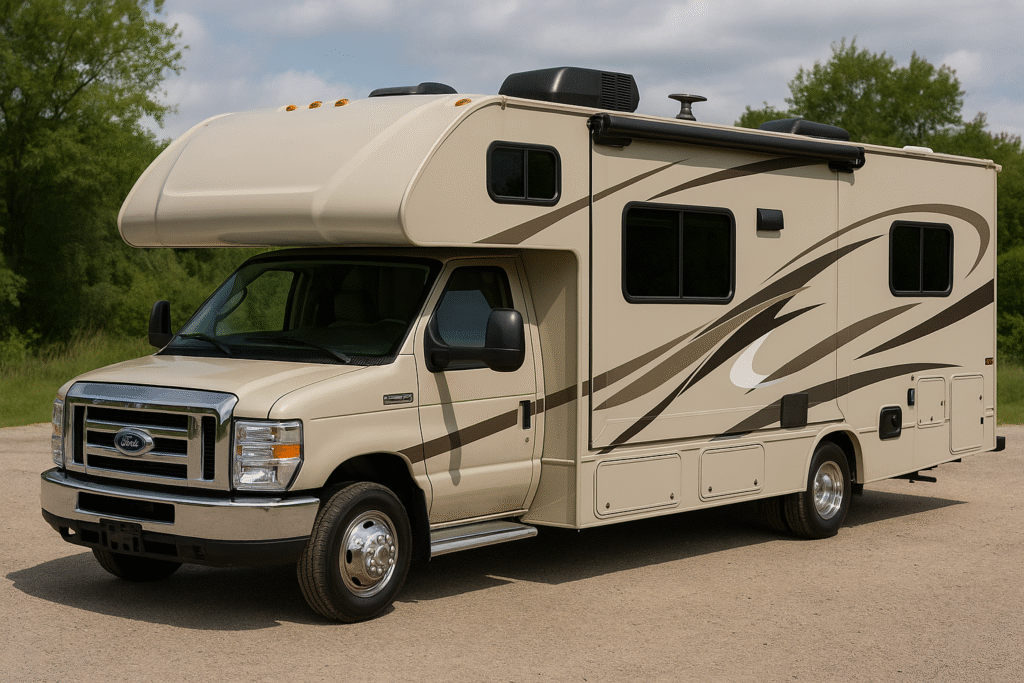
Must-Have Items For Your RV: Essentials Every New RV Owner Should Get